
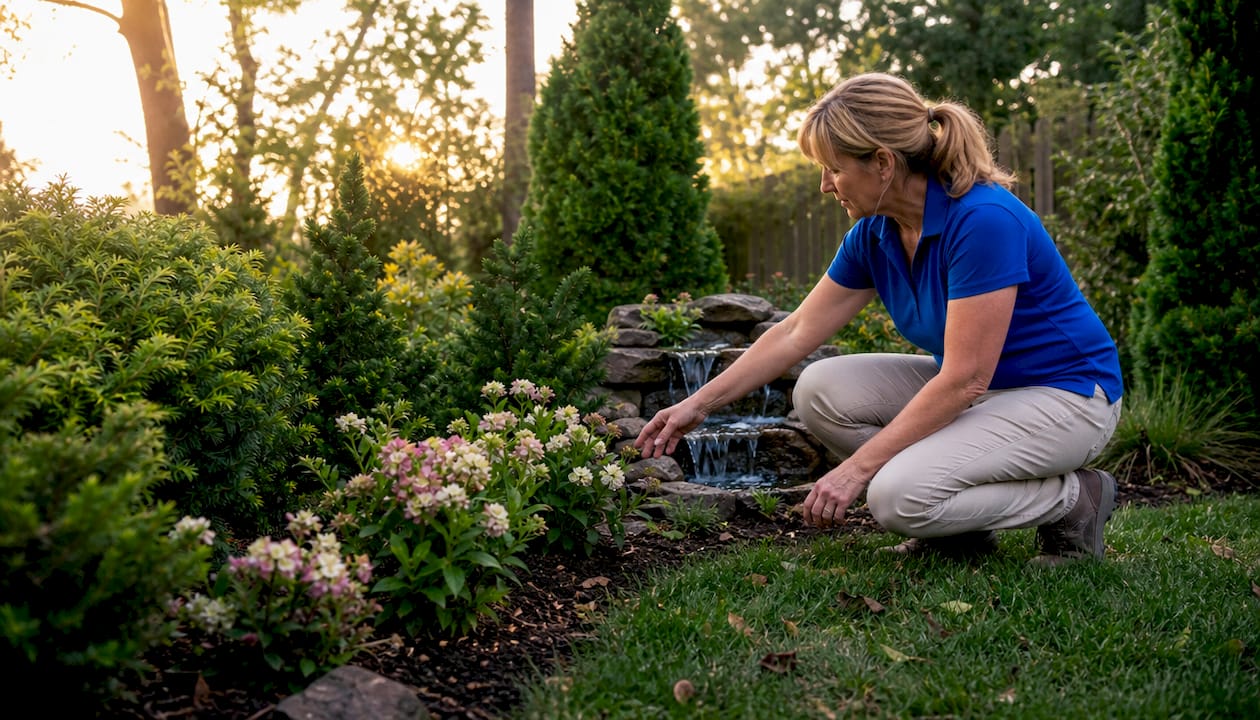
Backyard privacy landscaping is the deliberate use of plants, structures, and layout changes to block unwanted sightlines and reduce noise in your outdoor space. Most homeowners make the mistake of planting full perimeter hedges when targeted sightline blocking is far more effective and less expensive. The standard approach, recognized by landscape designers including those at Divinelandscapingllc, combines layered planting with structural elements like fences, trellises, and pergolas. Local codes in most municipalities cap solid rear yard fences at 6 feet, which means upper sightlines from second-story windows or elevated decks require a layered design strategy to close the gap.
1. How to map your sightlines before planting anything
Effective privacy design starts with knowing exactly where you are exposed. Mapping sightlines precisely using a laser level or string line at both seated height (roughly 3.5 feet) and standing height (roughly 5.5 feet) tells you where screening actually needs to go. Most homeowners skip this step and end up overplanting or placing shrubs in the wrong spots entirely.
Sightlines are narrow. A neighbor’s second-floor window may only expose a 4-foot-wide slice of your patio. You do not need a 40-foot hedge to solve that problem. A single columnar arborvitae or a trellis panel placed at the right angle can close that view completely.
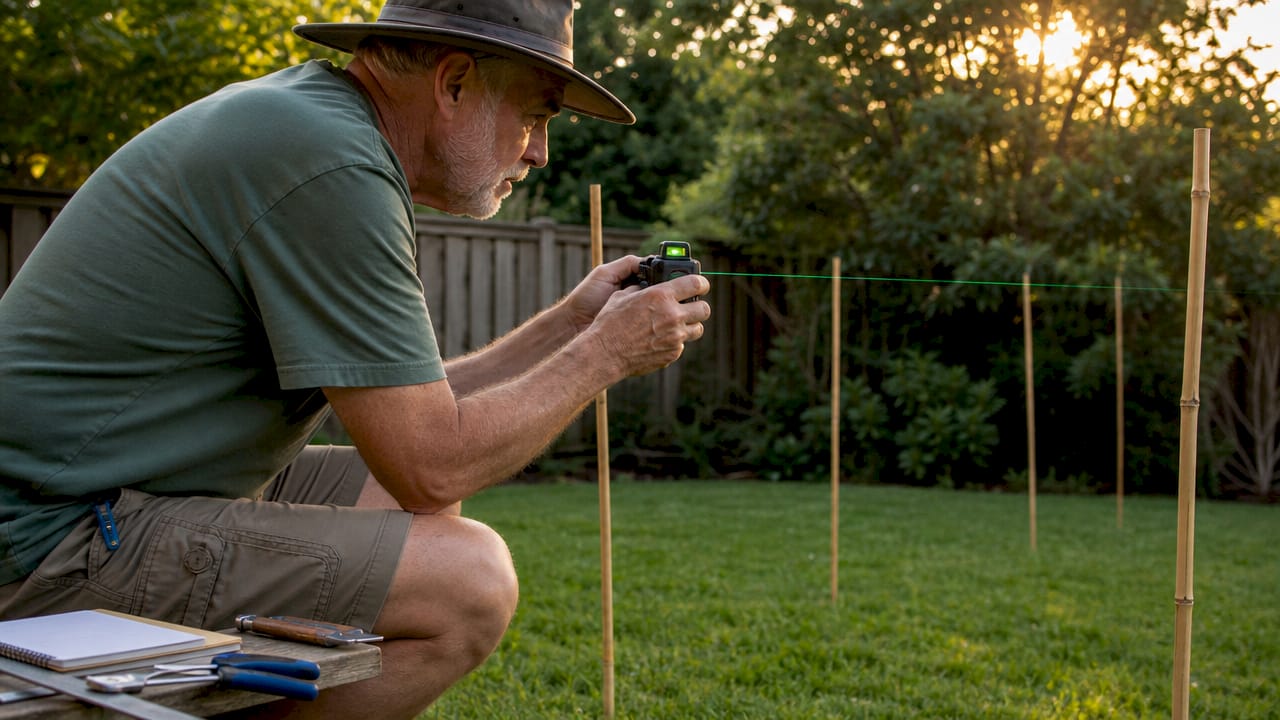
Walk your yard perimeter at different times of day, including early morning and late afternoon when sun angles shift and shadows change. Exposure that is invisible at noon can become obvious at 5:00 PM when a neighbor’s deck catches the low sun.
Pro Tip: Stake the exact spots where screening is needed before buying a single plant. Use bamboo canes at the correct height and stand at your seating area to confirm the block. This five-minute test saves hundreds of dollars in wasted materials.
Check your local zoning ordinances before building anything solid. Most municipalities cap fences at 6 feet in rear yards, which means anything taller requires a variance or a planted solution above that line.
2. Evergreen and deciduous plants for year-round coverage
Plant selection is where most privacy plans fail. Deciduous trees and shrubs lose their leaves in fall, and that seasonal leaf loss creates what designers call a “fishbowl” effect through winter. Your yard feels private in july and completely exposed in january. Evergreen plants solve this problem by holding their foliage year-round.
The best lush privacy plants for New England and similar climates include:
- Emerald Green arborvitae grows 12–15 feet tall and only 3–4 feet wide, making it ideal for narrow side yards and tight property lines
- Yews (Taxus) tolerate heavy shade and shear cleanly into dense hedges, reaching 6–10 feet with minimal care
- Eastern red cedar grows fast, handles poor soil, and provides dense winter cover with a natural, informal look
- Bamboo (clumping varieties) creates a soft, rustling screen that reaches 15–20 feet but requires a root barrier to prevent spreading
- Ornamental grasses like Karl Foerster feather reed grass add mid-layer texture and movement, though they die back in winter and work best paired with evergreens
- Skip laurel offers broad, glossy leaves and grows 6–10 feet tall with good density for a formal hedge look
Layering plants in three tiers delivers the best results. Place low shrubs at the base (2–4 feet), mid-layer shrubs in the middle (4–8 feet), and canopy trees at the back. Planting beds 3–6 feet deep in front of fences or walls also improve sound absorption significantly. That depth gives roots room to develop and creates the density needed to break up noise reflections.
Pro Tip: Tall narrow planters with columnar evergreens like Sky Pencil holly or Degroot’s Spire arborvitae work on patios and decks where ground planting is not possible. They are movable, which means you can reposition them as your needs change.
3. Structural privacy solutions for speed and precision
Plants take time. Structural elements like fences, trellis screens, and pergolas deliver privacy immediately and work well in tight spaces where planting is not practical. The right hardscape elements can close sightlines on day one while your plantings fill in over the following seasons.
| Structure type | Coverage | Airflow | Maintenance | Best use |
|---|---|---|---|---|
| Solid wood fence | Full | None | Medium | Ground-level screening |
| Louvered panel | Partial | Good | Low | Seating area backdrop |
| Trellis with vines | Filtered | Excellent | Medium | Soft, natural screen |
| Pergola with slats | Overhead + sides | Good | Low | Overhead angle blocking |
| Perforated metal panel | Partial | Excellent | Very low | Modern, windy sites |
Trellis screens with climbing vines like Virginia creeper, climbing hydrangea, or wisteria create filtered coverage that softens the look of a fence while allowing airflow. This matters more than most homeowners realize. Solid screens placed directly behind seating create wind tunnel effects that make the space uncomfortable on breezy days. Louvered or perforated panels solve this by letting air pass through while still blocking sightlines.
Pergolas with privacy slats on the sides and roof address overhead angles from second-story windows, which a standard fence cannot touch. They also define a seating zone and add architectural interest to the yard.
Pro Tip: In frost zones like New Hampshire, set structural posts below the local frost depth (typically 4 feet in NH) and use through bolts and diagonal bracing for wind resistance. A screen that shifts or leans after one winter is a safety hazard and an expensive fix.
4. Using sound management to deepen your sense of seclusion
Visual screening alone does not make a yard feel private. Neighbor conversations, traffic noise, and lawn equipment carry over and through even solid fences. Ambient water features near seating generate a steady white noise that masks those intrusions and makes the space feel genuinely secluded.
Sound management strategies that work well together include:
- Bubblers and pondless waterfalls placed within 8–10 feet of your main seating area produce the most effective masking at conversational volume levels
- Dense layered foliage breaks up sound reflections that bounce off hard surfaces like fences, walls, and paving
- Heavier fence materials like composite or masonry absorb more sound than lightweight wood panels
- Sound-dampening membranes added behind fence boards reduce transmission without changing the fence’s appearance
- Low-voltage landscape lighting extends the usable hours of your private space into evening and creates a sense of enclosure that reinforces the feeling of seclusion
Placing sound masking near your seating area, rather than at the property line, is the key principle. A fountain 30 feet away at the fence line does very little. The same fountain 8 feet from your chair changes the entire experience. Pair it with outdoor lighting design to make the space comfortable and inviting after dark.
5. Solutions matched to your yard size and exposure type
The right privacy solution depends on your specific yard constraints. A small urban lot needs different tools than a large suburban property with second-story neighbor exposure.
-
Small yards and tight lots: Use vertical planters with columnar evergreens, wall-mounted trellis panels, and movable planter screens. These solutions take up minimal ground space and can be repositioned as needed. Avoid wide-spreading shrubs that eat into usable square footage.
-
Second-story sightlines: A standard 6-foot fence does nothing against a neighbor’s second-floor deck or window. Pergolas with overhead slats, canopy trees like serviceberry or ornamental pear, and angled trellis panels mounted above fence height are the correct tools for this problem.
-
Windy or exposed sites: Solid panels create turbulence. Use perforated metal screens, rugged plants like juniper or rugosa rose, and stainless steel fasteners that resist coastal salt air. Anchor posts deeper than standard and use concrete footings for stability.
-
Layout adjustments: Moving your seating area away from an exposed corner or shifting a pathway to redirect foot traffic can reduce exposure without adding any structure at all. Sometimes the simplest fix is repositioning, not building.
-
Temporary plus permanent: Fast-growing annuals like tall sunflowers or ornamental corn give you a privacy screen in the first season while slower permanent plantings establish. Combine them with a trellis panel for a solution that works immediately and improves every year.
Pro Tip: For New England outdoor spaces, plan your privacy design around the winter silhouette, not the summer one. If your yard only feels private when everything is in full leaf, you have a seasonal problem that will frustrate you every year from november through april.
Key takeaways
Effective backyard privacy landscaping requires mapping precise sightlines first, then layering plants and structures to block exposure at every height and season.
| Point | Details |
|---|---|
| Map sightlines before planting | Use a laser level or string at seated and standing heights to find exact exposure points. |
| Prioritize evergreens for year-round cover | Deciduous plants leave your yard exposed all winter; pair them with arborvitae or yews. |
| Match structure to the problem | Use louvered panels for airflow, pergolas for overhead angles, and solid fences for ground-level screening. |
| Add sound masking near seating | Place a bubbler or waterfall within 8–10 feet of your seating area for effective noise coverage. |
| Combine fast and slow solutions | Use temporary screens and annual plantings while permanent shrubs and trees establish over time. |
What I’ve learned after years of privacy landscaping projects
The single biggest mistake I see homeowners make is designing for summer. They walk the yard in july, see where the neighbors can look in, and plant accordingly. Then winter arrives and the yard is completely exposed because every plant they chose drops its leaves. Privacy is a year-round need, and your design has to account for the seasonal leaf loss that turns a lush screen into a bare skeleton.
The second mistake is overbuilding. Homeowners see a privacy problem and want to solve it completely, so they plant a full perimeter hedge or build a solid fence on three sides. That approach creates wind tunnels, blocks light, and makes the yard feel like a box. Blocking precise sightlines with targeted plants or panels almost always delivers better results with less material and less maintenance.
The projects I find most satisfying are the ones where we combine a structural element for immediate coverage with a layered planting plan that grows into something genuinely beautiful over three to five years. The structure does the work while the plants develop. By year three, the plants carry the load and the structure becomes part of the design rather than a stopgap. That layered approach, done with attention to airflow, sound, and seasonal coverage, is what separates a private yard from a comfortable private yard.
— Damian
Privacy landscaping services from Divinelandscapingllc
Divinelandscapingllc designs and builds complete privacy solutions for New Hampshire homeowners, from sightline mapping and layered planting plans to pergolas, trellis screens, and water features. Every project starts with a site assessment that identifies your exact exposure points before any plant or structure is specified.
The team at Divinelandscapingllc handles the full scope, including landscape design tailored to your yard’s size, orientation, and seasonal conditions. Whether you need a fast structural screen or a long-term planting plan, the approach is always matched to your specific property. Request a consultation at Divinelandscapingllc to get a plan built around your yard’s actual sightlines and goals.
FAQ
What is backyard privacy landscaping design?
Backyard privacy landscaping design is the planned use of plants, fences, trellises, and layout changes to block unwanted sightlines and reduce noise in an outdoor space. It differs from general landscaping by focusing specifically on screening exposure points rather than aesthetics alone.
How tall can a privacy fence be in my backyard?
Most local municipalities restrict rear yard fences to 6 feet in height. Anything taller typically requires a zoning variance, which is why layered planting above fence height is a common solution for upper sightlines.
What are the best plants for year-round backyard privacy?
Evergreen shrubs and trees like Emerald Green arborvitae, yews, and Eastern red cedar provide year-round coverage. Deciduous plants lose their leaves in winter and leave your yard exposed, so pairing them with evergreens is the standard approach for full seasonal coverage.
How do I block a neighbor’s second-story view into my yard?
A standard 6-foot fence does not address second-story sightlines. Pergolas with overhead slats, canopy trees, and trellis panels mounted above fence height are the most effective solutions for blocking elevated viewing angles.
Do water features actually improve backyard privacy?
Yes. Ambient water features like bubblers and pondless waterfalls placed near seating generate steady white noise that masks neighbor conversations and traffic sounds. Positioning the feature within 8–10 feet of your seating area produces the most noticeable effect.