
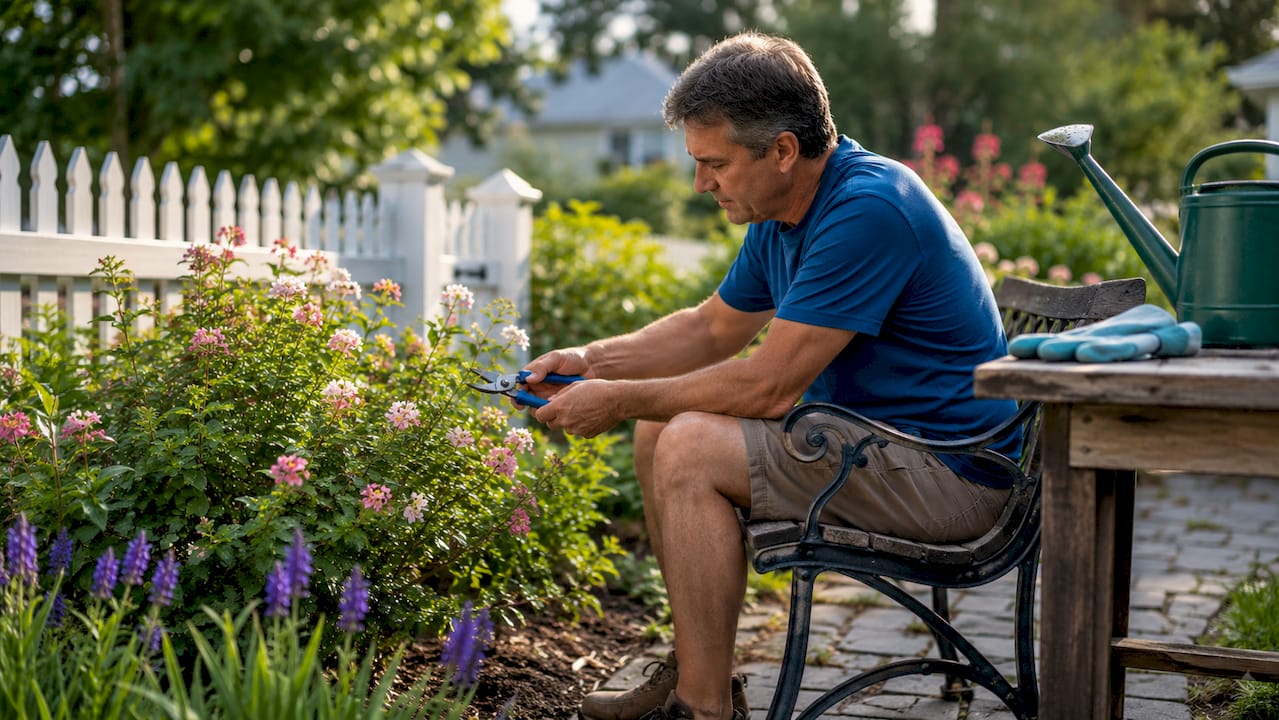
Landscape maintenance is defined as the ongoing care of an outdoor property that keeps it healthy, safe, and visually attractive throughout the year. Unlike a one-time renovation, landscape maintenance is a continuous process covering everything from weekly mowing and edging to seasonal fertilization, pruning, and irrigation checks. For homeowners and property managers in New Hampshire and beyond, understanding what this care involves is the first step toward protecting your outdoor investment and keeping your property looking its best year-round.
What is landscape maintenance and what does it include?
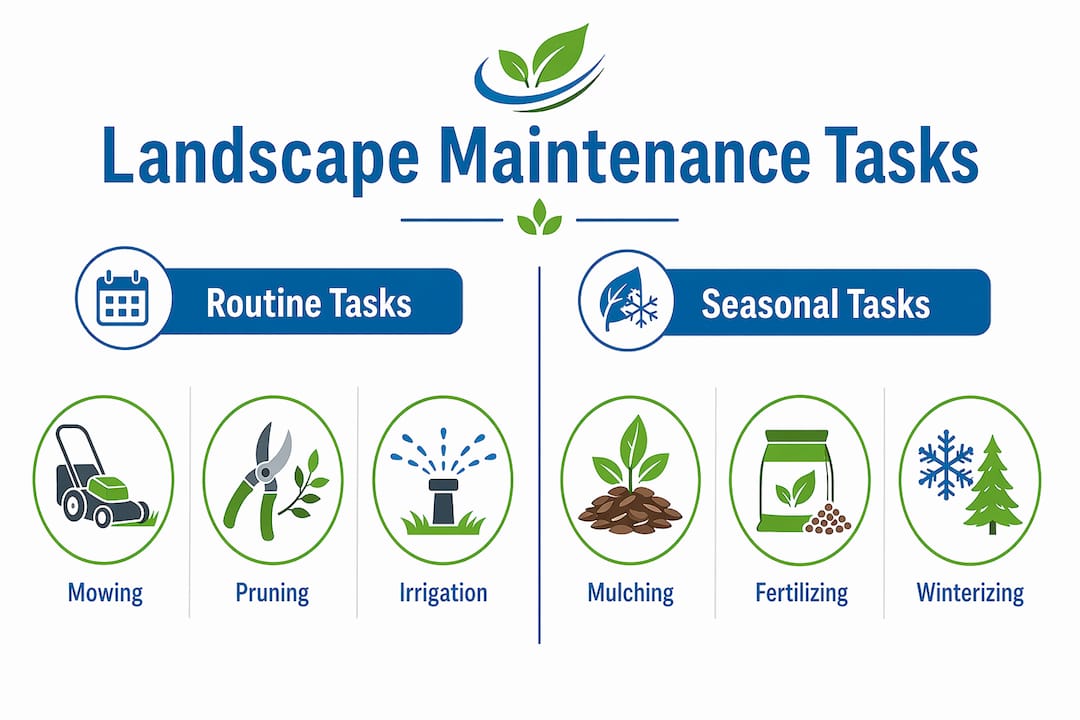
Landscape maintenance is the full set of recurring tasks that preserve an existing outdoor property’s function and appearance. It covers both routine upkeep and seasonal work, and typical maintenance scopes include lawn mowing, edging, fertilization, weed control, pruning, mulching, and seasonal cleanups. The goal is not just curb appeal. It is preventing the kind of slow deterioration that turns a minor problem into a costly repair.
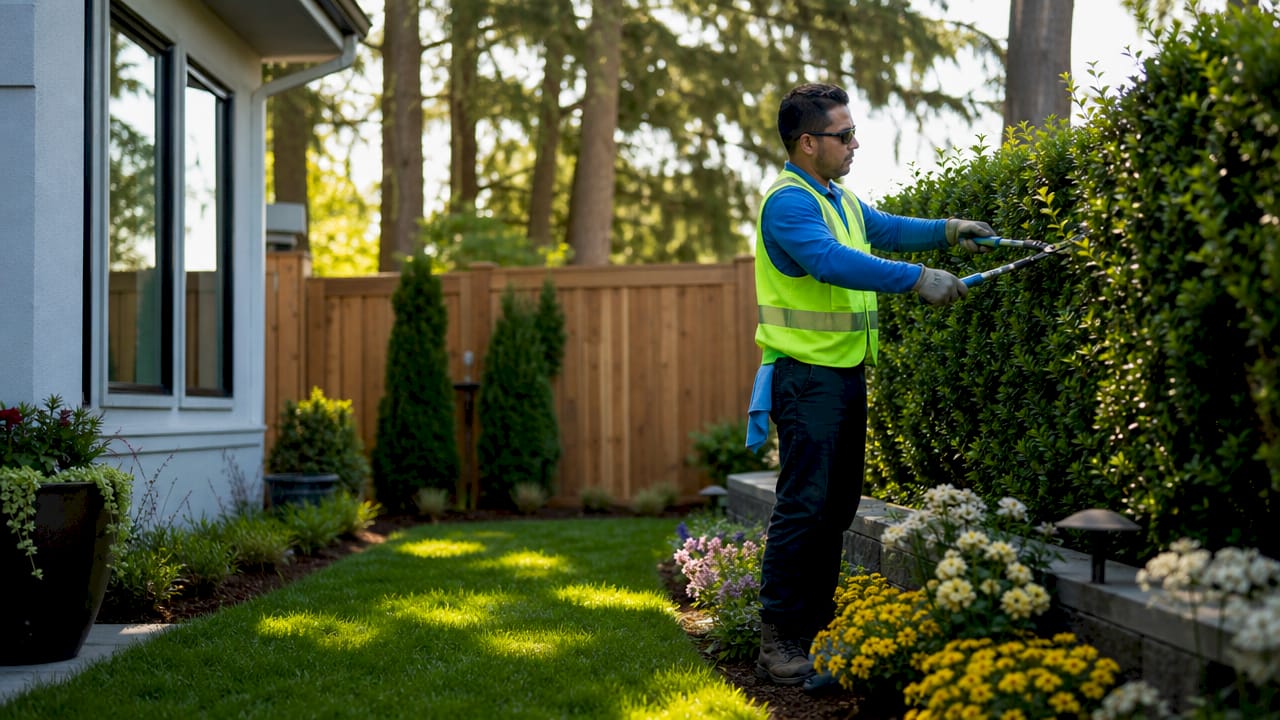
Routine tasks happen on a regular schedule, often weekly or biweekly during the growing season. Seasonal tasks align with plant biology and weather patterns, such as spring cleanups to clear winter debris and fall cleanups to prepare beds and turf for dormancy. Both categories work together to keep your property in peak condition.
Irrigation is also a core part of the picture. Irrigation maintenance includes monitoring coverage, fixing clogged nozzles and leaks, and winterizing lines in cold climates to prevent freeze damage. Skipping irrigation checks is one of the fastest ways to lose plants and turf that took years to establish.
Pest and disease management rounds out the scope. Integrated Pest Management (IPM) principles prioritize observation and prevention before any chemical treatment. That means scouting for early signs of trouble, adjusting cultural practices like watering and mowing height, and reaching for pesticides only when other methods fall short.
Pro Tip: Schedule an irrigation system check at the start of spring and again before winterizing. Catching a single broken head early can save you from replacing a full planting bed.
What tasks are included in typical landscape care services?
A well-structured maintenance program covers two layers of work: routine visits and seasonal services.
Routine maintenance tasks:
- Lawn mowing and edging along beds, walkways, and driveways
- Weed control in planting beds and turf areas
- Pruning of shrubs and ornamental trees to maintain shape and health
- Debris removal after storms or heavy wind events
- Spot treatments for pest or disease issues as they appear
Seasonal maintenance tasks:
- Spring cleanup: removing winter debris, cutting back ornamental grasses, refreshing mulch
- Fertilization programs timed to soil temperature and plant needs
- Mulching beds to retain moisture, regulate soil temperature, and suppress weeds
- Fall cleanup: leaf removal, cutting back perennials, and preparing turf for dormancy
- Irrigation system startup in spring and winterization before the first hard freeze
The distinction between routine and seasonal work matters when you are comparing service quotes. A contract that lists only “general cleanup” may not include mulching, fertilization, or irrigation winterization. Mismatched expectations between what a plan is labeled and what it actually covers are the most common source of frustration for property managers. Always ask for a written scope that lists every task and its frequency.
How does landscape maintenance differ from landscape construction?
These two services are related but serve completely different purposes. Understanding the difference helps you budget correctly and set realistic expectations for your property.
| Factor | Landscape maintenance | Landscape construction |
|---|---|---|
| Nature of work | Ongoing, recurring care | One-time build or installation |
| Examples | Mowing, pruning, fertilization | Patios, walkways, retaining walls, planting |
| Timeline | Continuous throughout the year | Project-based with a defined start and end |
| Planning required | Seasonal scheduling | Design, permits, and site prep |
| Primary goal | Preserve and protect existing landscape | Transform or add new features to a property |
Landscape construction involves building or installing features that change the property: a new patio, a retaining wall, a planted bed, or a walkway. Maintenance is what happens after construction is complete. Without a consistent care plan, even the best-built landscape degrades quickly. Plants fail, mulch washes away, and hardscape edges get overtaken by weeds.
The two services complement each other directly. Divinelandscapingllc designs and builds custom outdoor spaces in New Hampshire, and the team understands that a well-built landscape design only holds its value when paired with regular upkeep. Construction sets the stage. Maintenance keeps it performing.
What is the ideal schedule for effective landscape upkeep?
A practical maintenance schedule follows two seasons: the growing season and the dormant season. Each has different priorities and task frequencies.
Maintenance tasks split naturally between the growing season, when frequent mowing and weeding dominate, and the dormant season, when pruning and storm cleanup take priority. Aligning your schedule to plant biology produces better results than a fixed calendar that ignores what the plants actually need.
Here is a practical framework for scheduling your landscape care:
- Weekly (growing season, typically april through october): Mow turf, edge along hard surfaces, and remove visible weeds from beds. Mowing frequency drops to biweekly or less once growth slows in late fall.
- Monthly: Check irrigation heads for coverage gaps, clogs, or leaks. Adjust run times as temperatures change. Inspect plants for early signs of pest or disease pressure.
- Spring (once): Complete spring cleanup, apply pre-emergent weed control, start fertilization program, and activate irrigation system.
- Summer: Monitor for drought stress, apply supplemental fertilizer if needed, and treat pest or disease issues as they appear.
- Fall (once): Complete fall cleanup, cut back perennials, apply winterizer fertilizer to turf, and winterize the irrigation system before the first freeze.
- As needed: Prune flowering shrubs after bloom, remove storm debris, and address drainage issues before they worsen.
One of the most widely repeated best practices in turf management is the one-third rule. Never remove more than one-third of the grass blade in a single mowing. Cutting too much at once stresses the turf, exposes the soil, and invites weeds. Mowing when the grass is dry also reduces tearing and produces a cleaner cut.
Pro Tip: Adjust your mowing height up by half an inch during summer heat. Taller grass shades the soil, retains moisture, and stays greener with less water.
For larger properties and commercial sites, formal maintenance schedules define service frequency, task lists, and seasonal windows in writing. Treating your property’s care plan the same way, with clear documentation and defined visit frequencies, removes ambiguity and keeps results consistent.
How does landscape maintenance benefit homeowners and property managers?
Consistent landscape care is not just about appearances. It is about protecting a significant financial investment and avoiding expensive problems down the road.
Maintenance prevents costly failures by catching small issues before they become large ones. An overgrown shrub pressing against a foundation, a clogged drainage swale, or a diseased tree limb over a walkway are all manageable when caught early. Left alone, each becomes a much larger expense.
The practical benefits for homeowners and property managers include:
- Curb appeal: A well-maintained property creates a strong first impression for guests, tenants, and potential buyers.
- Property value protection: Regular care preserves the investment made in both the landscape and the hardscape features beneath it.
- Outdoor usability: Clean, healthy outdoor spaces get used more. A maintained lawn and tidy beds make your backyard an extension of your living space.
- Pest and disease prevention: Early detection through regular monitoring stops problems from spreading to healthy plants.
- Irrigation and drainage health: Crews monitoring irrigation diagnose symptoms like dry patches and puddling as system issues, not just surface problems. Fixing the root cause saves water and prevents plant loss.
- Reduced reactive costs: Properties on regular maintenance schedules spend less on emergency fixes because problems are addressed before they escalate.
Choosing the right maintenance plan requires clarity on scope. Ask your provider exactly which tasks are included, how often visits occur, and what seasonal services are covered. A plan that sounds complete but excludes fertilization, mulching, or irrigation service will leave gaps that show up in your landscape’s health over time.
Key Takeaways
Landscape maintenance is the continuous care process that protects your outdoor investment, prevents costly failures, and keeps your property functional and attractive throughout every season.
| Point | Details |
|---|---|
| Core definition | Landscape maintenance is ongoing, recurring care that preserves plant health, safety, and appearance. |
| Routine vs. seasonal tasks | Routine tasks like mowing happen weekly; seasonal tasks like fertilization and cleanups align with plant cycles. |
| Maintenance vs. construction | Construction builds new features; maintenance protects and preserves what has already been built. |
| Scheduling best practices | Follow the one-third mowing rule, check irrigation monthly, and align pruning to the dormant season. |
| Scope clarity matters | Always get a written task list and visit frequency to avoid gaps between what you expect and what you receive. |
Why I think most homeowners underestimate maintenance until it’s too late
Most homeowners I talk to think of landscape maintenance as a nice-to-have. They focus on the build: the new patio, the fresh plantings, the retaining wall. Then a few seasons pass, and the beds are overgrown, the irrigation heads are clogged, and the turf has bare patches where compaction took hold. The landscape they invested in looks tired, and the fix costs more than consistent care ever would have.
The mistake is treating maintenance as optional upkeep rather than as the operating system of your outdoor space. A patio does not maintain itself. Plants do not self-prune. Irrigation systems drift out of calibration. Every outdoor feature you build requires a care plan to perform the way it was designed to.
The other thing I see consistently is homeowners choosing a maintenance plan based on price alone, without reading the scope. They sign up for “weekly lawn care” and assume that covers everything. It often does not. Fertilization, mulching, and irrigation service are frequently add-ons, and skipping them is exactly how a healthy landscape becomes a struggling one within two or three seasons.
My honest advice: treat your maintenance contract the same way you treat a service agreement for your HVAC system. Read what is included, confirm the visit schedule, and ask specifically about seasonal services. The properties that look great year after year are not lucky. They are on a well-defined plan with a crew that shows up consistently.
— Damian
Professional landscape maintenance services from Divinelandscapingllc
Divinelandscapingllc works with homeowners and property managers across New Hampshire to build and maintain outdoor spaces that hold their value season after season. Whether you need a full-service maintenance plan or want to protect a recently completed landscape project, the team brings the same attention to detail to upkeep as to construction.

From irrigation and lighting to seasonal cleanups and plant health monitoring, Divinelandscapingllc offers tailored care plans built around your property’s specific needs. Every plan comes with a clear scope, defined visit frequency, and direct communication so you always know what is being done and when. Visit the Divinelandscapingllc services page to see the full range of offerings, or request a quote to get a plan built for your property.
FAQ
What is landscape maintenance in simple terms?
Landscape maintenance is the ongoing care of your outdoor property, including mowing, pruning, fertilization, weed control, and seasonal cleanups. It is continuous upkeep, not a one-time project.
What is a landscape maintenance contract?
A landscape maintenance contract is a written agreement that defines the specific tasks, visit frequency, and seasonal services a provider will deliver. Reading the scope carefully prevents gaps between what you expect and what you actually receive.
How often should landscape maintenance be done?
Mowing and edging typically happen weekly during the growing season, while fertilization, mulching, and cleanups are scheduled seasonally. Irrigation checks should occur at least once per season, plus at startup and winterization.
How does landscape maintenance differ from landscaping construction?
Construction is a one-time project that builds or installs features like patios, walkways, or planting beds. Maintenance is the recurring care that preserves those features and keeps the surrounding landscape healthy after construction is complete.
What is the most important rule for mowing?
Never remove more than one-third of the grass blade in a single cut. Cutting more than that stresses the turf, invites weeds, and can cause visible scalping that takes weeks to recover.